In the digital marketing landscape, understanding where your website traffic comes from is essential for building effective strategies and improving your online presence. Two of the most significant traffic sources are Organic Traffic and Direct Traffic. While both play an important role in driving visitors to your website, they are fundamentally different in terms of origin, user behavior, and impact.
Understanding traffic sources is also crucial for analyzing user behavior, measuring the effectiveness of your marketing strategies, and improving overall website performance. By identifying where your traffic comes from, you can allocate resources to the most effective channels and optimize underperforming areas.
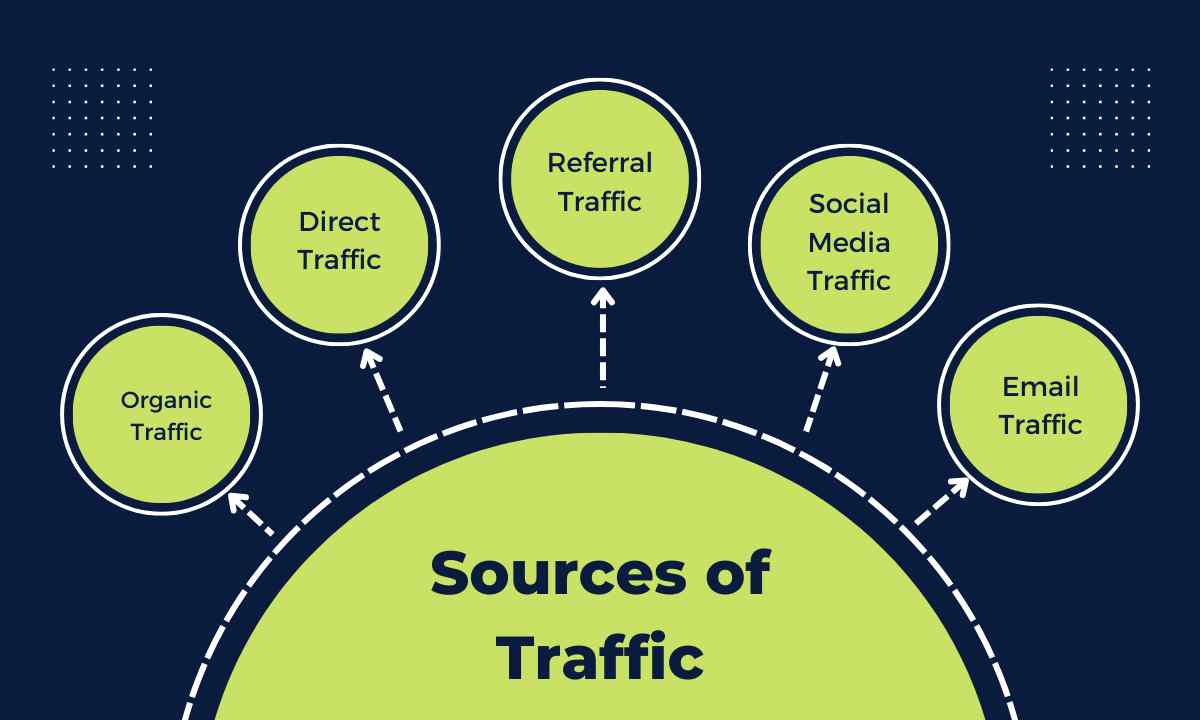
In this blog, we discuss the other sources of traffic as well, Traffic sources refer to the origins or pathways through which visitors reach your website.
Table of Contents
What are Different Traffic Sources?
Understanding the difference between organic and direct traffic is important for website owners, marketers, and businesses because It allows you to:
- Identify your best-performing channels and focus on scaling them.
- Understand audience behavior and preferences based on where they originate.
- Optimize marketing campaigns to attract more visitors from specific channels.
- Improve ROI by allocating resources to traffic sources that convert the best.
Organic Traffic: Organic traffic comes from unpaid search engine results. Visitors land on your website after searching for specific terms on platforms like Google, Bing, or Yahoo. Organic traffic is driven by Search Engine Optimization (SEO), where relevant keywords, quality content, and backlinks improve your website’s ranking on search engine result pages (SERPs).
Example: A user searches for “best SEO tools” on Google and clicks on your blog post ranking in the results.
Direct Traffic: Direct traffic refers to visitors who access your website by typing your URL directly into their browser or using bookmarks. Direct traffic usually occurs when visitors are already familiar with your website, brand, or content.
Example: A person enters “www.example.com” directly into their browser or uses a bookmark to visit your site.
Referral Traffic: Referral traffic comes from visitors who click on links from other websites that point to your site. Referral traffic is generated through backlinks, guest posts, or external mentions. The referral website acts as a bridge to bring visitors to your site.
Example: A blog mentions your article and includes a hyperlink, leading visitors to your page when they click the link.
Social Media Traffic: Social media traffic originates from platforms like Facebook, Instagram, Twitter, LinkedIn, Pinterest, and others. When users click on links shared via posts, stories, or advertisements on social media, they are directed to your website.
Example: A user sees a Facebook post linking to your new blog article and clicks to visit your website.
Paid Traffic: Paid traffic is generated through online advertising campaigns, such as Pay-Per-Click (PPC) ads, social media ads, or display ads. Businesses pay for ads to appear on search engines, social media, or other platforms to attract visitors.
Example: A user clicks on a Google Ads link when searching for “affordable web design services.”
A visitor clicks on a banner ad for your product displayed on a news website.
Email Traffic: Email traffic refers to visitors who come to your website through links in email campaigns or newsletters. Marketing emails containing links to blog posts, landing pages, or offers drive visitors to your site.
Example: A user clicks on a promotional link in your newsletter that takes them to a special offer page.
What is Organic Traffic?
Organic traffic relies on Search Engine Optimization (SEO) to improve your website’s visibility in search engine results. Search engines analyze various factors such as keywords, content quality, backlinks, and user experience to rank websites. Websites that are optimized for search engines tend to receive higher organic traffic over time.
Organic traffic is one of the most valuable types of website traffic. It represents visitors who discover your website through search engines without the influence of paid advertisements. When users search for specific terms, search engines display a list of results based on relevance and SEO rankings. If your website appears in these results and users click on it, this counts as organic traffic.
Sources of Organic Traffic
- Search Engines: Google, Bing, Yahoo, and other platforms that display search results.
- SEO Strategies: Optimized content with relevant keywords, meta descriptions, and on-page optimization.
- Keywords: Targeted search terms that match user intent and search queries.
Examples of Organic Traffic
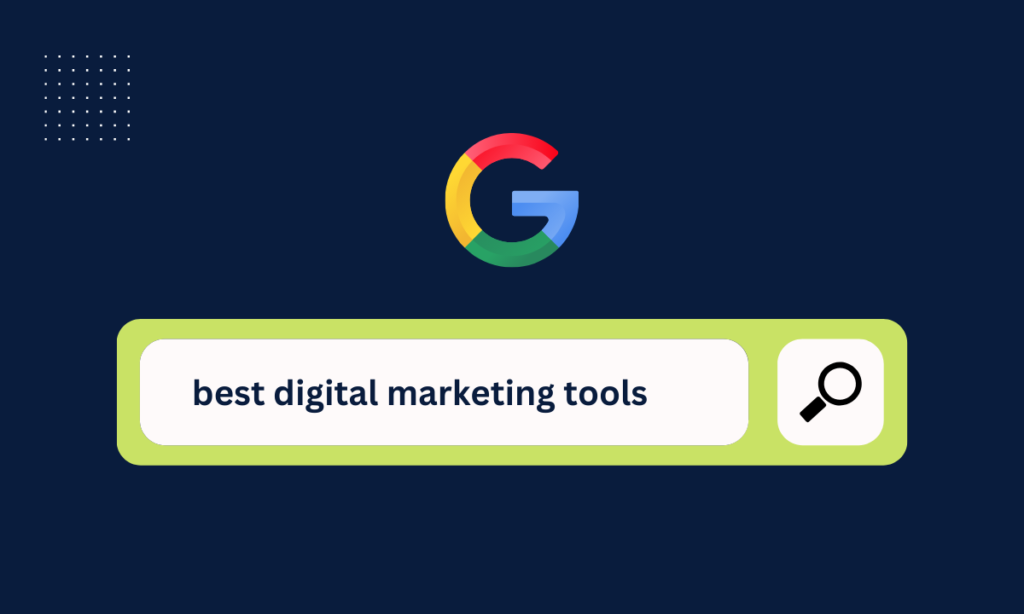
- A user searches for “best digital marketing tools” on Google and clicks on a blog post from your website.
- Someone looks for “how to make a website” on Bing and finds your tutorial page in the search results.
- A person types long-tail keywords like “SEO tools for small businesses” and clicks on your link appearing organically.
What is Direct Traffic?
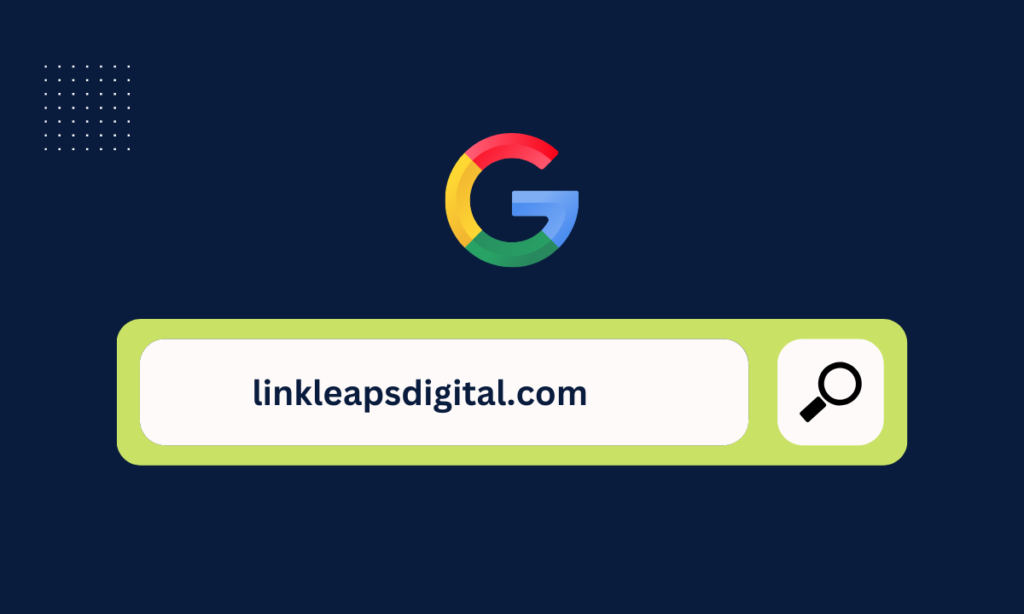
Direct traffic works when users are already familiar with your brand or website. It typically indicates a level of brand awareness, loyalty, or prior interaction. Direct traffic represents visitors who access your website without a referring source. This means they don’t come from search engines, social media, or paid ads but rather through direct actions like typing your URL or using bookmarks.
Common Sources of Direct Traffic
- Typed URLs: Users manually enter your website address into their browser.
- Bookmarks: Visitors save your website link as a bookmark and return later.
- Offline Marketing: Links or mentions in print ads, business cards, or billboards.
- Email and Word-of-mouth: Visitors may hear about your website and type the URL directly.
Examples of Direct Traffic
- A user types “www.xyz.com” directly into their browser.
- Someone clicks on a bookmarked link on your homepage.
- A visitor sees your website URL on a flyer and manually types it in.
Difference Between Organic and Direct Traffic
Here’s a clear and concise table highlighting the Differences Between Organic and Direct Traffic:
| Aspect | Organic Traffic | Direct Traffic |
| Definition | Visitors who come through unpaid search engine results. | Visitors who access the website directly by typing the URL, using bookmarks, or offline sources. |
| Source | Search engines like Google, Bing, and Yahoo. | Typed URLs, bookmarks, offline campaigns, or word-of-mouth. |
| User Intent | Often looking for specific information, solutions, or answers through search queries. | Usually, they are already familiar with the brand or website. |
| How It’s Generated | Through SEO (Search Engine Optimization) strategies and keyword optimization. | Through brand awareness, repeat visits, or offline promotions. |
| Tracking in Analytics | Appears under “Organic Search” in analytics tools like Google Analytics. | Appears under “Direct Traffic” in analytics tools. |
| SEO Impact | Heavily influenced by SEO rankings, backlinks, and content relevance. | Not directly influenced by SEO efforts. |
| User Behavior | Users are typically discovering the website for the first time. | Users often include loyal or repeat visitors. |
| Examples | A user searches for “best running shoes” on Google and clicks your website. | A user types “www.linkleapsdigital.com” into their browser. |
| Brand Awareness | Not always dependent on prior brand awareness. | Strongly influenced by prior brand recognition. |
| Cost | Free, but requires ongoing SEO efforts and content creation. | Free, but dependent on branding and offline promotions. |
Which Traffic Source is Better? Organic or Direct Traffic
Both Organic Traffic and Direct Traffic offer unique advantages and play essential roles in a website’s growth. Let’s discuss their advantages and challenges to help determine which traffic source is better:
Advantages of Organic Traffic
- Cost-Effective: Organic traffic is free in terms of clicks, unlike paid traffic. Although SEO requires time and effort, it doesn’t involve ongoing costs per visitor.
- Sustainable Growth: Once your website ranks well on search engines, organic traffic can grow steadily over time without additional spending.
- Targeted Audience: Organic visitors often search for specific information or solutions, leading to a higher chance of attracting qualified, intent-driven users.
- Long-Term Benefits: Effective SEO strategies, like creating quality content and building backlinks, can generate traffic consistently for months or even years.
- Builds Authority and Trust: Ranking on the first page of search engines boosts your website’s credibility and builds trust with users.
Challenges of Organic Traffic
- Time-Consuming: SEO takes time to show results. Achieving top search engine rankings can take months of effort and patience.
- Competitive Landscape: Many industries have fierce competition for ranking on search engines, making it challenging to appear on the first page.
- Dependence on Search Engines: Organic traffic relies heavily on search engines. Algorithm changes or penalties can negatively impact your rankings and traffic.
- Ongoing Maintenance: SEO requires continuous updates, content creation, and optimization to maintain rankings and traffic.
- Unpredictable Trends: Search trends can change, and keywords that once drove traffic may lose relevance over time.
Advantages of Direct Traffic
- Brand Recognition: Direct traffic indicates strong brand awareness. Visitors already know and trust your website, which often leads to repeat visits and customer loyalty.
- Higher Conversion Rates: Direct traffic often includes visitors who are familiar with your brand or offerings, making them more likely to convert into customers.
- No Dependency on Search Engines: Unlike organic traffic, direct traffic isn’t affected by changes in search engine algorithms or SEO competition.
- Fast and Immediate: Direct traffic doesn’t rely on ranking or visibility in search engines. Visitors can instantly reach your website by typing the URL or using bookmarks.
- Reflects Marketing Success: Offline campaigns, word-of-mouth, and strong branding efforts contribute to direct traffic, reflecting the success of your overall marketing efforts.
Challenges of Direct Traffic
- Limited to Known Users: Direct traffic primarily comes from users already familiar with your brand, making it harder to attract new visitors.
- Difficult to Measure: Direct traffic can sometimes be mislabeled in analytics tools, making it challenging to track its exact source.
- Brand Dependency: Building direct traffic requires strong brand recognition, which can be expensive and time-consuming.
- Lack of Growth Potential: Direct traffic doesn’t grow organically unless significant efforts are made through branding, advertising, or offline campaigns.
- Low for New Businesses: New websites or businesses struggle to generate direct traffic because users are not yet familiar with their brand.
Here is the answer to your Question: Which traffic source is better? After summarising the whole discussion, we can say that Organic Traffic is ideal for long-term growth, as it brings new visitors through search engines, increases brand visibility, and delivers targeted traffic. However, it requires time, effort, and continuous optimization.
Direct Traffic is better for brand loyalty and conversions, as it reflects strong brand awareness and often leads to repeat customers. However, it can be limited if your brand is new or lacks recognition.
In the end, I must say, ultimately, the best traffic source depends on your goals:
- If you want to grow your audience and attract new visitors over time, focus on Organic Traffic through SEO strategies.
- If your priority is building strong brand recognition and retaining loyal users, prioritize strategies that encourage Direct Traffic.
By combining both sources will help you achieve sustainable growth and long-term success.
How to Increase Organic Traffic and Direct Traffic
Strategies to Increase Organic Traffic
Increasing organic traffic involves a mix of targeted SEO strategies, quality content creation, and consistent optimization efforts. Here’s a breakdown of effective methods to achieve this:
Effective SEO Strategies
- Optimize Website Structure: Ensure your website is user-friendly, mobile-optimized, and has a fast loading speed.
- Keyword Research: Use tools like SEMrush or Ahrefs to identify keywords with high search volume and low competition.
- On-Page SEO: Optimize meta titles, descriptions, and headers while incorporating target keywords naturally.
- Technical SEO: Focus on XML sitemaps, schema markup, and fixing broken links to improve website crawling and indexing.
Content Marketing and Blogging
- Create Quality Content: Publish articles that address user queries, solve problems, or provide insights.
- Consistency is Key: Post regularly to build domain authority and engage with your audience.
- Use Engaging Formats: Incorporate videos, infographics, and podcasts to diversify content types.
- Update Old Posts: Refresh outdated content with new statistics and updated keywords to maintain relevance.
Use of Long-Tail Keywords and Backlinks
- Long-Tail Keywords: These keywords have lower competition and higher conversion rates. Use them strategically in your content.
- Example: Instead of “SEO tips,” use “best SEO tips for small businesses.”
- Building Backlinks:
- Guest Blogging: Write guest posts on high-authority websites to gain quality backlinks.
- Internal Linking: Strategically link your own pages to improve website navigation and authority.
- Outreach Campaigns: Collaborate with bloggers or influencers to create authentic backlink opportunities.
To Read the Full article: SEO Strategies for Driving Organic Traffic
Strategies to Increase Direct Traffic
Direct traffic refers to visitors who come to your website by typing the URL directly or using saved bookmarks. Here’s how to grow this channel:
Building a Strong Brand Presence
- Memorable Branding: Create an easy-to-remember domain name, logo, and tagline.
- Consistent Messaging: Use consistent branding across your website, social media, and advertisements.
- Social Media Engagement: Build strong relationships with your audience through regular interactions.
Offline Marketing Campaigns (Flyers, Ads, Events)
- Promote Your Website: Include your website URL in all marketing materials, such as business cards, flyers, and event banners.
- Community Engagement: Host or sponsor events to connect directly with your audience and share your website link.
Email Marketing and Bookmark Prompts
- Personalized Email Campaigns: Send targeted emails with compelling CTAs that lead to your website.
- Example: “Check out our latest blog post!”
- Encourage Bookmarks: Prompt users to bookmark your website for easy access during their first visit.
By combining organic strategies with direct traffic-building efforts, you can create a holistic approach to driving more visitors to your website.
Conclusion
Balancing organic and direct traffic is crucial for sustainable website growth. While organic traffic ensures long-term visibility through search engines, direct traffic strengthens your brand by fostering a loyal audience. Focus on SEO-driven content, leverage analytics, and remain consistent and patient. Choose strategies based on your goals, understanding your audience, and combining organic and direct efforts for maximum impact.
A well-rounded strategy that incorporates both elements can help you maximize your website’s potential and achieve business goals effectively.
Frequently Asked Questions (FAQs)
What is the main difference between organic and direct traffic?
- Organic Traffic: Visitors come through search engines by clicking on results that match their queries.
- Direct Traffic: Visitors access your site by directly entering your URL or using bookmarks.
Can direct traffic impact SEO rankings?
Yes, an increase in direct traffic can indirectly impact SEO. High direct traffic often indicates strong brand recognition and user engagement, factors that may improve search engine rankings over time.
How can I track my direct traffic sources more accurately?
- Use UTM Parameters in your URLs to identify specific campaigns.
- Monitor referral traffic to ensure it’s not misclassified as direct.
- Set up custom dashboards in Google Analytics for detailed insights.
Is organic traffic more valuable than direct traffic?
Both types of traffic have unique values:
- Organic Traffic: Drives new users who are actively searching for related information.
- Direct Traffic: Often consists of repeat visitors or brand advocates, which can lead to higher conversion rates.
How long does it take to see results from organic traffic strategies?
It can take anywhere from 3 to 6 months to see significant results from organic strategies, depending on your niche, competition, and the quality of your SEO efforts.
More Articles:
Retargeting vs Remarketing? A Brief Guide
What Risks Are Associated With Paid Advertising?