In today’s competitive hospitality industry, the customer experience is everything. Hotels, restaurants, and resorts are always looking for innovative ways to improve service and stand out from the crowd. One approach that has gained momentum is hospitality role-playing, where employees practice real-life customer service scenarios. Surprisingly, this training method has led to the development of new and unique offerings for customers. But how exactly has this happened?
Let’s dive into the fascinating world of hospitality role-playing and explore how it has revolutionized customer service.
Table of Contents
What Is Hospitality Role Playing?
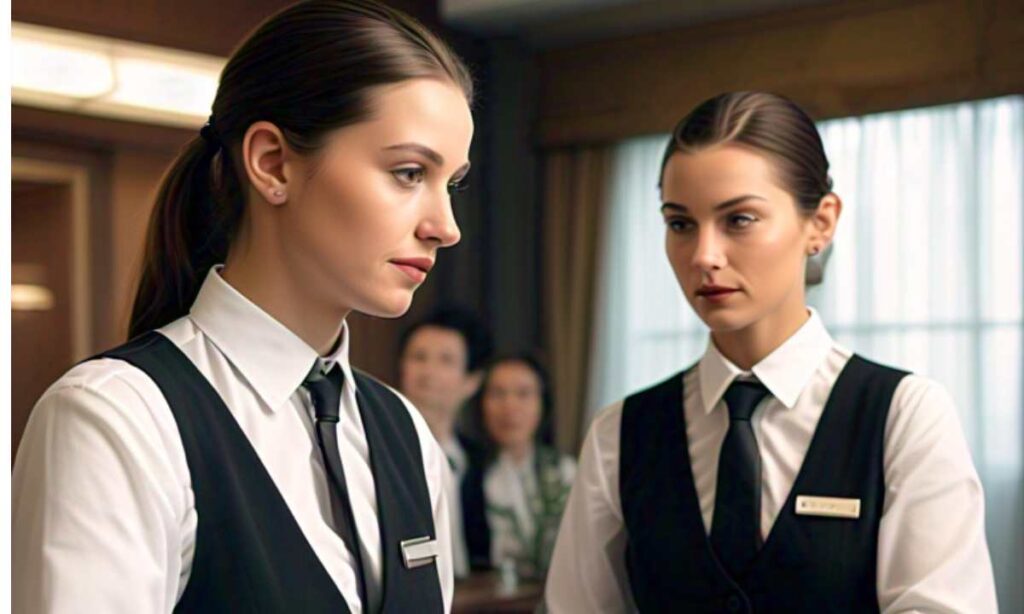
Hospitality role-playing is a training technique where employees act out various customer service scenarios to practice problem-solving, communication, and empathy. It’s like a rehearsal, allowing staff to anticipate potential challenges before they occur. Think of it as an actor rehearsing lines before a big performance, except in this case, the ‘audience’ is your customers.
Why Role Playing Matters in Hospitality
Role-playing allows employees to step into the shoes of a customer and see things from their perspective. This kind of empathy-building is crucial in an industry where feelings of warmth, care, and attention define the experience. Through role-playing, employees are better equipped to handle difficult situations with confidence and poise.
Building Confidence Through Practice
Like rehearsing for a play, staff members build their confidence by practicing. When unexpected issues arise like a customer complaint or a special request, they’ve already “lived” that moment in training. This preparation is key to delivering exceptional service under pressure.
Benefits of Role Playing for Both Employees and Customers
Role-playing isn’t just about acting; it’s about creating realistic situations. Trainers can simulate common scenarios, such as dealing with a difficult guest, or rarer situations, like handling an emergency. These realistic rehearsals mean employees know exactly what to do, no matter the situation.
Employee Benefits: Empowerment Through Training
Role-playing doesn’t just benefit customers, it empowers employees too. It provides them with a safe space to practice and learn without the fear of making mistakes in front of actual guests. As a result, they feel more confident and capable in their roles, leading to a more motivated workforce.
Boosting Employee Morale
When employees feel prepared, their job satisfaction improves. Role-playing equips them with the skills they need to excel, which leads to happier, more engaged employees.
Customers Benefit From Role-Playing
We’ve all heard that “the customer is always right,” but in hospitality, it’s not just about being right, it’s about creating memorable experiences. Whether it’s a seamless hotel check-in or an unforgettable dining moment, the small details matter.
For customers, the benefits of role-playing are clear: better service, more personalized offerings, and a more seamless overall experience. The role-playing process ensures that staff are prepared for a wide variety of situations, making the customer feel valued and cared for at every touchpoint.
Enhancing customer experience can lead to better reviews, repeat business, and higher profits. So, how do you ensure every customer walks away satisfied? Enter role-playing.

Role Playing for Different Nature of Businesses
Here’s where things get interesting: during role-playing exercises, employees often improvise solutions. Sometimes, these on-the-spot innovations lead to new offerings that weren’t part of the original business model.
For example, a hotel may develop a new VIP experience after staff suggests how they would cater to a high-profile guest during role-playing. These “happy accidents” become the cornerstone of unique customer offerings.
Let’s discuss the role of role-playing for different natures of businesses
Hotels: Using Role Playing to Innovate
Hotels are using role-playing not just to enhance service but to create entirely new guest experiences. For example, role-playing exercises may lead staff to offer surprise room upgrades, personalized welcome notes, or even curated local experiences that weren’t available before.
Case Example: The Personalized Touch
A role-playing scenario at a luxury hotel led to the development of a “personalized welcome” experience, where guests receive a handwritten card and a list of local recommendations based on their preferences. It may seem small, but these thoughtful touches make a huge difference.
Restaurants: Crafting Unique Dining Experiences
In the restaurant industry, role-playing has helped chefs and waitstaff discover new ways to enhance the dining experience. For example, the waitstaff may practice handling complex dietary restrictions or difficult guest interactions. During these sessions, they come up with creative solutions like special menus or personalized wine pairings, that later become a part of the restaurant’s offerings.
Bringing the Experience to Life
Have you ever had a server suggest a wine pairing you didn’t expect, but absolutely loved? That may have been the result of role-playing! Staff learn to make suggestions that cater to customer preferences, creating unique dining moments that feel personal and thoughtful.
Resorts: Elevating the Vacation Experience
For resorts, role-playing is a tool for curating the perfect vacation. Staff members are trained to handle everything from routine guest requests to high-stakes scenarios, like a guest losing their passport. During these role-playing sessions, staff often come up with new activities or services that elevate the guest experience, such as bespoke tours or tailored adventure packages.
Enhancing Relaxation and Adventure
One resort implemented a “custom adventure package” based on insights gained during role-playing sessions. Guests can now choose their own adventure whether it’s a guided hike, snorkeling tour, or a private dinner on the beach based on personalized recommendations from staff.
Case Study: How Role Playing Transformed a Hotel’s Service
One hotel in London saw a significant improvement in its customer reviews after implementing role-playing exercises as part of its training program. The staff practiced scenarios where guests requested non-standard services, such as arranging last-minute concert tickets or handling a room change during peak hours. This led to the creation of a new concierge service focused on fulfilling unique guest requests, which became a top selling point for the hotel.
The Future of Hospitality Role-Playing
As customer expectations continue to rise, the need for innovative training methods like role-playing will only grow. We can expect to see more integration of technology, such as virtual reality, to simulate even more complex scenarios, further improving the guest experience.
Challenges and Solutions in Role-Playing
Despite its benefits, role-playing can present challenges, such as time constraints and employee resistance. However, these obstacles can be overcome by integrating role-playing into regular training sessions and emphasizing its value to both staff and customers.
Conclusion
Hospitality role-playing has proven to be more than just a training tool, it’s a catalyst for innovation. Allowing employees to explore real-life scenarios and improvise solutions has led to new offerings that enrich the customer experience. As the hospitality industry continues to evolve, role-playing will undoubtedly remain a key component of training programs, leading to better service and happier guests.
FAQs
What is hospitality role-playing?
Hospitality role-playing is a training technique where employees act out real-life customer service scenarios to enhance their problem-solving and communication skills. This method allows them to practice handling various customer interactions in a controlled, low-pressure environment.
How does role-playing benefit customers?
Role-playing helps employees anticipate and prepare for a wide range of customer situations. As a result, customers receive better service, more personalized interactions, and unique offerings based on the staff’s preparedness and creativity.
Can role-playing lead to new offerings for customers?
Yes, during role-playing exercises, employees often improvise solutions that lead to innovative new services or products. These creative, customer-focused ideas are sometimes integrated into the company’s official offerings, enhancing the overall guest experience.
What are the challenges of role-playing in hospitality?
Some challenges include limited time for training and initial reluctance from employees to engage in role-playing. However, consistent practice, coupled with encouragement and demonstrating its value, can help overcome these obstacles.
How does role-playing empower hospitality employees?
Role-playing empowers employees by providing a safe space to practice their skills and gain confidence. This leads to higher job satisfaction, improved performance, and a greater ability to handle difficult or unexpected customer service situations.
More Articles:
How to Leverage www.hura-watch.net Business Archives for Business Growth
Business Who Hires Usually Work Out: A Guide to Effective Hiring